


pulsecra

Fresh television news, filmed fast

Our Work

A look at the kinds of news filming, studio set-ups and edit work we take on for broadcasters and newsrooms.

Selected work

Scenes from the field, studio and edit suite

These scenes show how we work in different conditions, from a wet pavement outside a courthouse to a quiet studio before a live link. Each one reflects a part of the commission described on the services page.

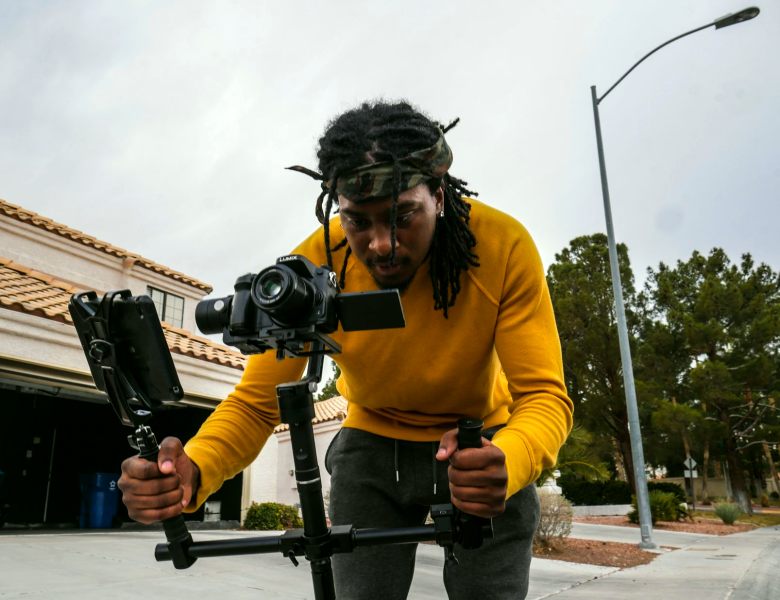
Handheld exterior in poor light

Handheld exterior in poor light

Filming a developing local story at dusk with a handheld camera and a small on-camera light. The aim was usable exposure and clear sound without slowing the crew down.

Presenter lighting before a studio recording

Presenter lighting before a studio recording

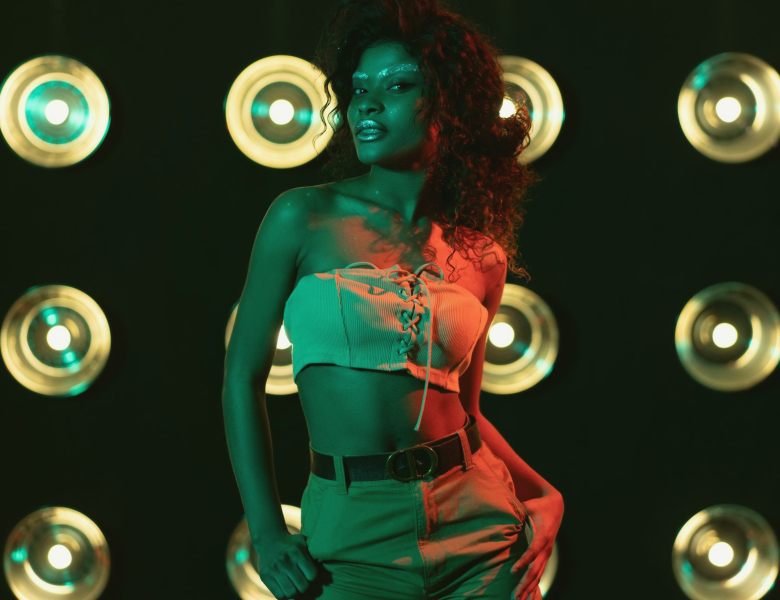
A three-point set-up with a large soft source for the presenter and a gentle edge light to separate shoulders from the background. Adjustments were made on a monitor until skin tones looked even.

Interviewee set-up in a borrowed room

Interviewee set-up in a borrowed room

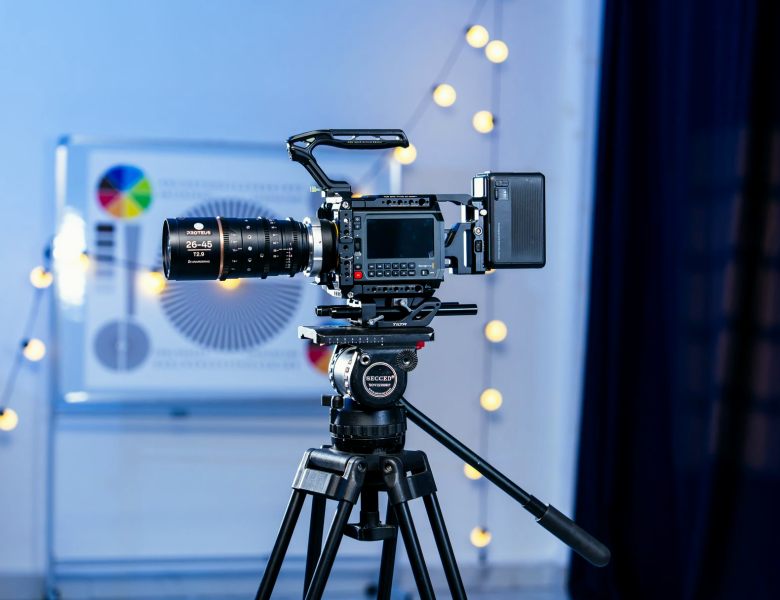
A meeting room turned into an interview space with a diffused key light and sound dampening. The framing was kept steady so the cut could follow the answers cleanly.

Editing a package against deadline

Editing a package against deadline

Tom assembling interviews, cutaways and voiceover on a timeline while new footage arrives. Captions and the delivery format were prepared in parallel to save time at the end.

Newsroom hand-off review

Newsroom hand-off review

Mapping how footage and scripts move between ingest, edit and approval on a whiteboard with the desk team. The review pinned down where stories were waiting.

Camera technique training day

Camera technique training day

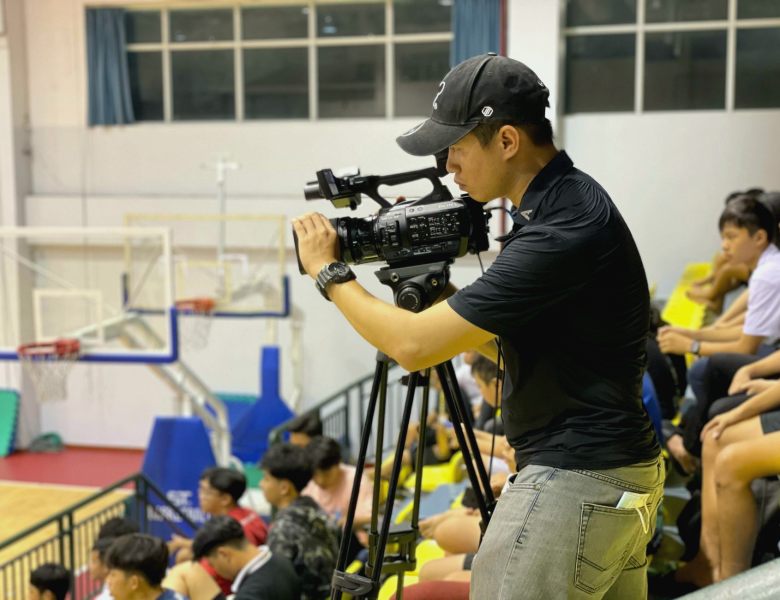
A group of shooters practising framing and exposure with broadcast cameras on tripods, then reviewing their clips together. Each person left with notes on their own footage.

Behind the pictures

What these jobs have in common

Whatever the setting, the approach is the same: understand what the programme needs, prepare for conditions we can predict, and keep a way to adapt for those we cannot. These notes describe the habits behind the work.

Preparing for the unplanned

News rarely goes to plan, so we pack and plan for variation. Crews carry spare batteries, a small light, a second microphone and cards formatted in advance. Before leaving, the operator checks the location, access and likely sound problems, such as traffic or wind, and agrees a fallback position with the producer. When something changes on site, the crew phones the desk rather than guessing, so the editor and producer can adjust the running order while there is still time.

Light and sound first

Viewers forgive a slightly soft shot far sooner than muffled speech or a face lost in shadow. We therefore set up sound and lighting before worrying about camera moves. In the studio that means a measured key light and a controlled background. On location it means finding the quietest usable spot and positioning the subject so natural light helps rather than fights the shot. These choices cost a few minutes and save a good deal of rescue work in the edit.

Clean files at the end

A good package can still fail at delivery if the file is in the wrong format, the captions are missing or the naming does not match the system. We confirm the delivery specification at the start and check the finished file against it before sending. Tom keeps a record of every format a client has asked for, so repeat jobs go out the way the desk expects. Copies stay in our archive for an agreed period in case a re-cut is needed.

Get in touch

Where to find us
14 Quay Works, Commercial Road, Gloucester GL1 2EH
pulsecra

Television news video production in Gloucester: breaking-story crews, studio lighting, newsroom workflow design, camera training and fast edit and delivery since 2013.

© 2026 pulsecra. All rights reserved.